
End of tenancy cleaning in London matters to both tenants and landlords because it protects deposits and keeps rental homes in excellent condition. Tenants benefit from a clear process that helps them avoid disputes while landlords gain a property that looks fresh and ready for the next tenancy. A high standard supports a faster re-let which keeps the whole process smooth. This guide explains what to clean, what agents look for and how to prepare a rental home for a successful handover.
or call directly on +44 7400 707981
A Two-Way Street: Why Proper End of Tenancy Cleaning Helps Everyone
A thorough end of tenancy clean helps everyone involved. Tenants protect their deposits when they return the property in excellent condition. Landlords gain a fresh, ready-to-move-in home that new tenants appreciate. Both parties enjoy a smooth handover and a positive start to the next tenancy which makes the process easier for everyone. Win win.
What London Landlords Expect During a Check-Out Inspection
An end of tenancy inspection compares the condition of the property to the original inventory and inspection. Fair wear and tear is usually accepted although cleanliness is not negotiable. Landlords expect the property to be returned in a professionally clean state which means all visible surfaces must be spotless and all hidden areas must be cleaned as well.
Property inspectors (can be an estate agent or landlord) check cupboards, appliances, flooring, tiles, grout, edges of carpets and behind items that are easy to move. They also check lighting fixtures, switches and areas that gather dust and grime. Landlords often use high resolution photos during inspections so anything missed becomes quickly visible. A detailed clean makes the process smoother and avoids unnecessary deductions.
Essential Areas Every Landlord Must Clean Before Leasing to New Tenants
A detailed clean creates a strong first impression and sets the standard for the next tenancy. High quality cleaning protects the long term value of the property because dust, grime, limescale and grease gather in places that light cleaning often misses. Clean switch plates and socket plates to remove oils that build up from daily use. Clean light pulls and replace cords if they look worn or grubby. Wash door handles, cabinet knobs, drawer pulls and appliance handles so new occupants have a hygienic start. Descale toilet flush buttons, shower controls and shower heads to keep them bright and working well. Clear drains of hair and residue so water flows smoothly which helps prevent bad smells and plumbing issues.
Every part of the home needs the same attention to detail. Clean washing machine detergent drawers and dishwasher dispensers so new tenants do not inherit old residue. Wash or replace soap and lotion bottles. Remove cobwebs from corners, ceiling edges and hidden spaces behind curtains or furniture. Vacuum and wipe the tops of door architraves, picture rails, dado rails and curtain poles because they gather a surprising amount of dust. Dust lampshades and light fittings inside and out. Clean fans blade by blade and include the safety cage where needed. Clean windows until they are streak free and remember to clear the sills and tracks. Wash all woodwork including skirting boards, balustrades and door frames so the property looks its best.
It’s all in the detail
Inside cupboards, wardrobes and drawers clean right into each corner because dust settles where it is least obvious. Clean flooring along the edges and under furniture. Wipe table legs and chair legs because splashes from cooking or drinks often dry there unnoticed. These detailed tasks lift the overall condition of the home which helps new tenants feel confident and respected from the outset. Many landlords recognise the importance of this standard although time pressures often make it difficult to achieve. Professional help becomes invaluable when preparing a property for a new tenancy.
End of Tenancy Cleaning Checklist for Every Room
This End of Tenancy checklist covers the essential tasks for every area of the home and is in addition to the essential areas discussed above. It is suitable for tenants who want to protect their deposit and landlords who want a reliable standard for preparing their property for new tenants.
Kitchen
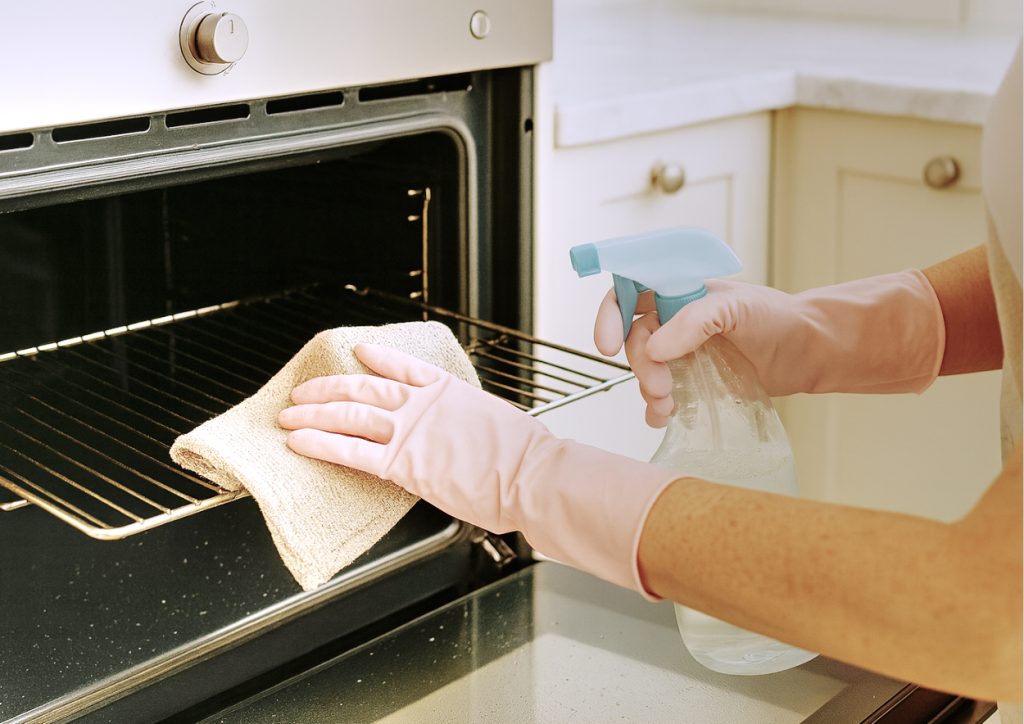
The kitchen is one of the most important areas during a check-out because food residues, grease and limescale build up quickly.
- Oven deep clean including racks and door
- Hob and burners cleaned
- Extractor hood degreased and filters cleaned
- Inside and outside of all cupboards wiped
- Worktops disinfected
- Sink descaled and left sparkling clean
- Taps descaled
- Fridge and freezer defrosted and cleaned
- Microwave cleaned inside and out
- Splashbacks washed
- Floors scrubbed and corners checked
Bathroom
Bathrooms show wear faster in hard water areas such as central and southeast London. Limescale removal is a key requirement for landlords.
- Shower screen descaled
- Tiles and grout scrubbed
- Taps descaled and polished
- Toilet sanitised inside and outside
- Bath cleaned thoroughly
- Mirrors cleaned to streak-free finish
- Extractor fan cleaned
- Shelves cleaned
- Floors washed
Mould, even light mould, is photographed. Removing it before the inspection reduces the risk of deductions.
Living room
This is the space that creates a first impression for landlords and new tenants.
- All surfaces dusted from top to bottom
- Skirting boards cleaned
- Window panes and sills cleaned
- Radiators wiped
- Light fixtures dusted
- Carpets vacuumed or steam cleaned
- Hard floors mopped
- Sofa vacuumed under and behind cushions if furnished
Bedrooms
Bedrooms often hide dust in forgotten places so they must be checked carefully.
- Wardrobes emptied and wiped
- Bed frames cleaned
- Mattresses vacuumed if provided by the landlord
- Curtains dusted or vacuumed
- Windows and sills washed
- Radiators wiped
- Floor edges vacuumed
- Light switches disinfected
Hallways & Stairs
High traffic areas show wear fast and cleaning them well improves the final inspection.
- Scuff marks removed where possible (this also applies to scuffs throughout the property)
- Bannisters and rails wiped
- Floors vacuumed
- Edges of carpeted stairs cleaned
- Entryway tiles scrubbed
- Front door polished on the inside
Common Cleaning Mistakes that Cost London Renters their Deposit
These are the areas tenants often forget although landlords and clerks always check them.
- Washing machine detergent drawer
- Dishwasher filter
- Behind the fridge and oven
- Inside the oven door seal
- Shower extractor fans
- Window tracks
- Radiator dust
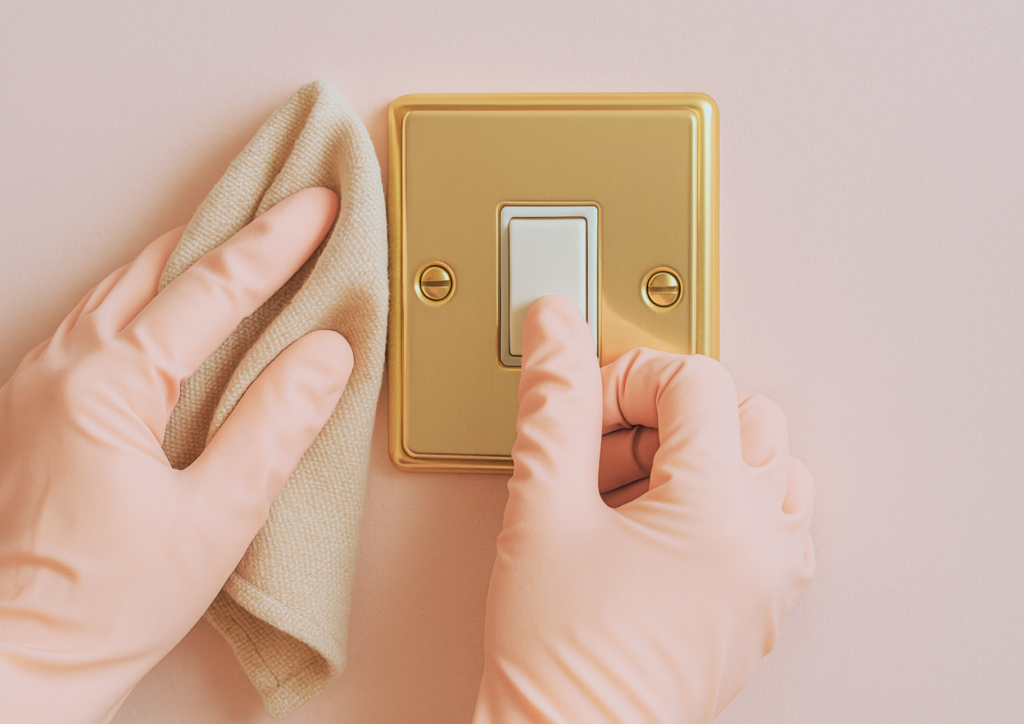
- Light switches
- Socket plates
- Skirting boards in corners
Even spotless rooms can fail an inspection if these areas are missed.
Do You Need to Clean Carpets Before Moving Out?
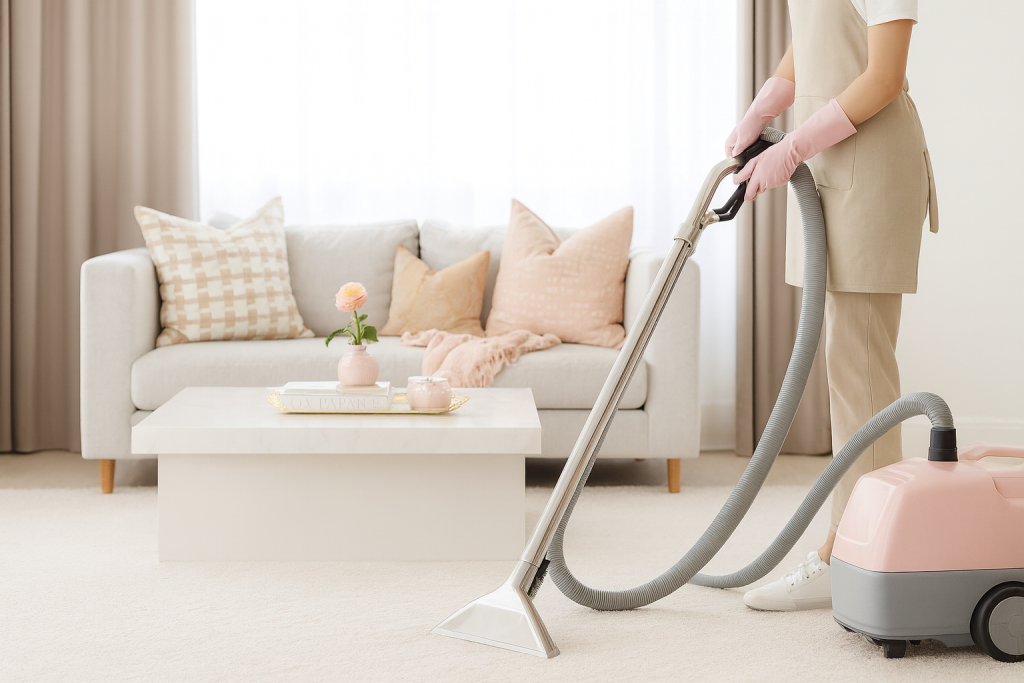
Most London tenancy agreements expect carpets to be professionally cleaned if pets have lived in the property or if carpets show visible wear. Deep cleaning removes odours, stains and dust that regular vacuuming misses. It also restores the appearance of high traffic areas which landlords appreciate when preparing a flat for new tenants.
Tips to Prepare for Your End of Tenancy Inspection
Following these steps increases the chance of passing the first time. An organised approach keeps the process stress free.
- Allow time for carpets and floors to dry
- Open windows after cleaning for fresh air
- Empty all bins
- Check all cupboards for forgotten items
- Replace any lightbulbs that have gone
- Photograph every room after cleaning to keep a record
- Leave the property ventilated if possible
Should You Book a Professional End of Tenancy Clean?
A professional clean is often chosen when:
- The property is large
- The landlord or tenant has limited time
- Pets have lived in the home
- The oven or bathroom has significant build-up
- Carpets need extraction cleaning
- The landlord requires a high standard
- The tenancy ends during a busy period such as month end or December
Landlords searching for reputable companies often look for teams who understand London inventory standards and who can deliver a full clean in one visit. Tenants appreciate knowing that the job meets professional expectations which reduces the risk of disputes.
A successful end of tenancy clean protects deposits for tenants and ensures landlords can re-let their properties quickly. A clear checklist removes uncertainty and saves time for everyone involved. Whether you are preparing a studio in central London or a family home in the southeast, a methodical clean helps the property shine during inspection.



Leave a Reply